
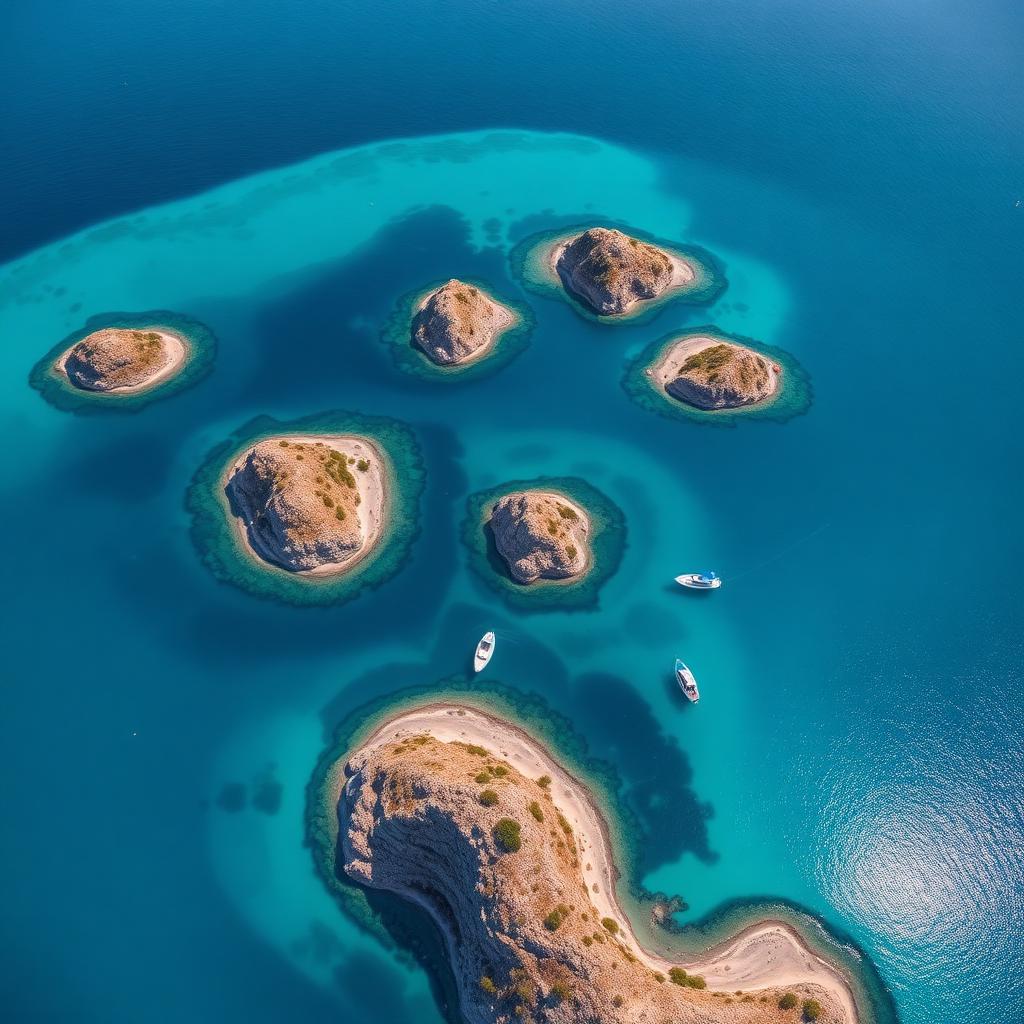
1. La Maddalena boat tour
The single best thing to do. Full-day boats leave the port around 10:30, hit 4–5 swim stops (Budelli's Pink Beach viewpoint, Spargi, Santa Maria) and return by 5pm. €50–70 with lunch on board.
Sardinia · Italy
The gateway to the La Maddalena archipelago, at the eastern edge of the Costa Smeralda — turquoise water, granite islands, and a real Sardinian town center.
Palau (pop. ~4,500) sits on the northeast tip of Sardinia, 40 km north of Olbia airport. It's the ferry port for La Maddalena and Caprera, the two most photographed islands in Italy, and it's a 20-minute drive from Porto Cervo and the Costa Smeralda — without Costa Smeralda prices. Unlike the luxury enclaves next door, Palau is a real town: a Sunday market, family-run trattorias, a pedestrian old town, and a mix of Italian and international travelers.
The single best thing to do. Full-day boats leave the port around 10:30, hit 4–5 swim stops (Budelli's Pink Beach viewpoint, Spargi, Santa Maria) and return by 5pm. €50–70 with lunch on board.
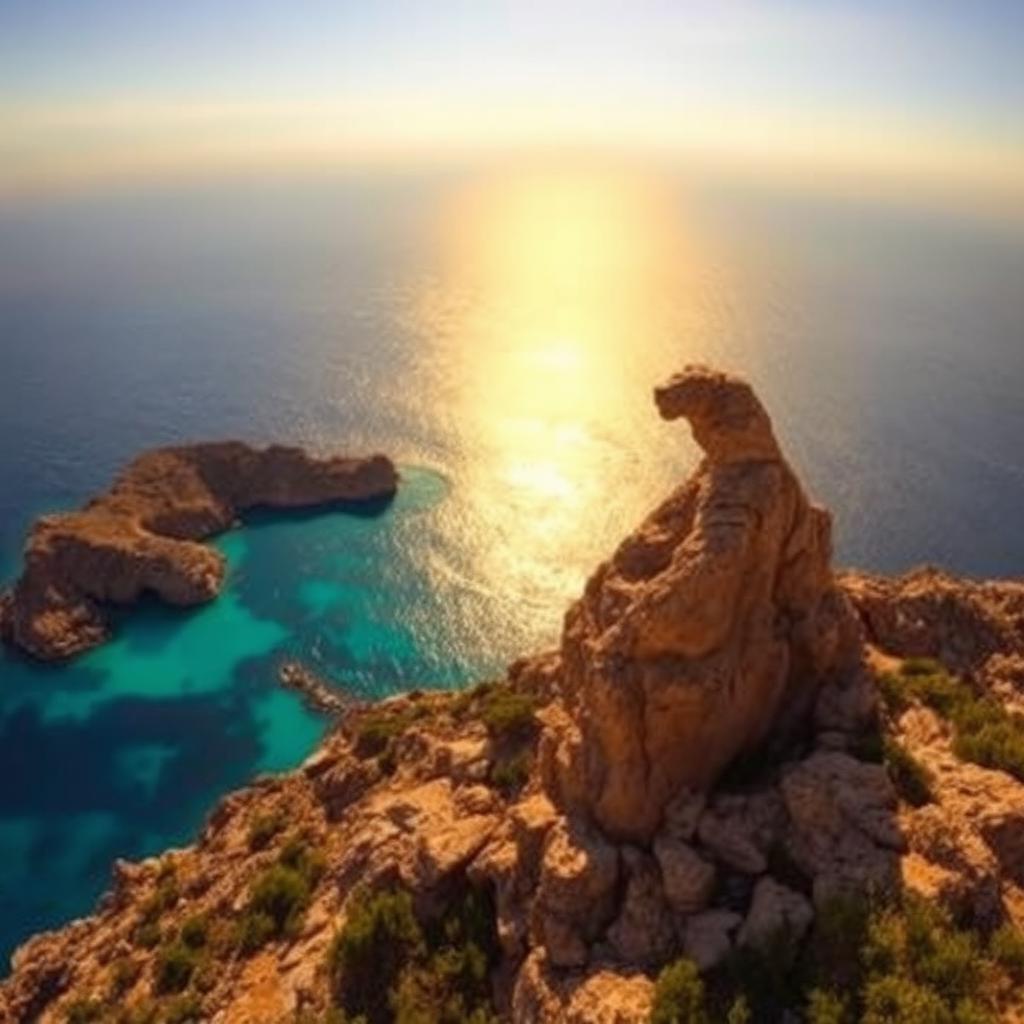
A 15-minute wind-sculpted granite hike above Palau — the "bear" shape has been a landmark for Mediterranean sailors since antiquity. Best at sunset. €4 entrance.
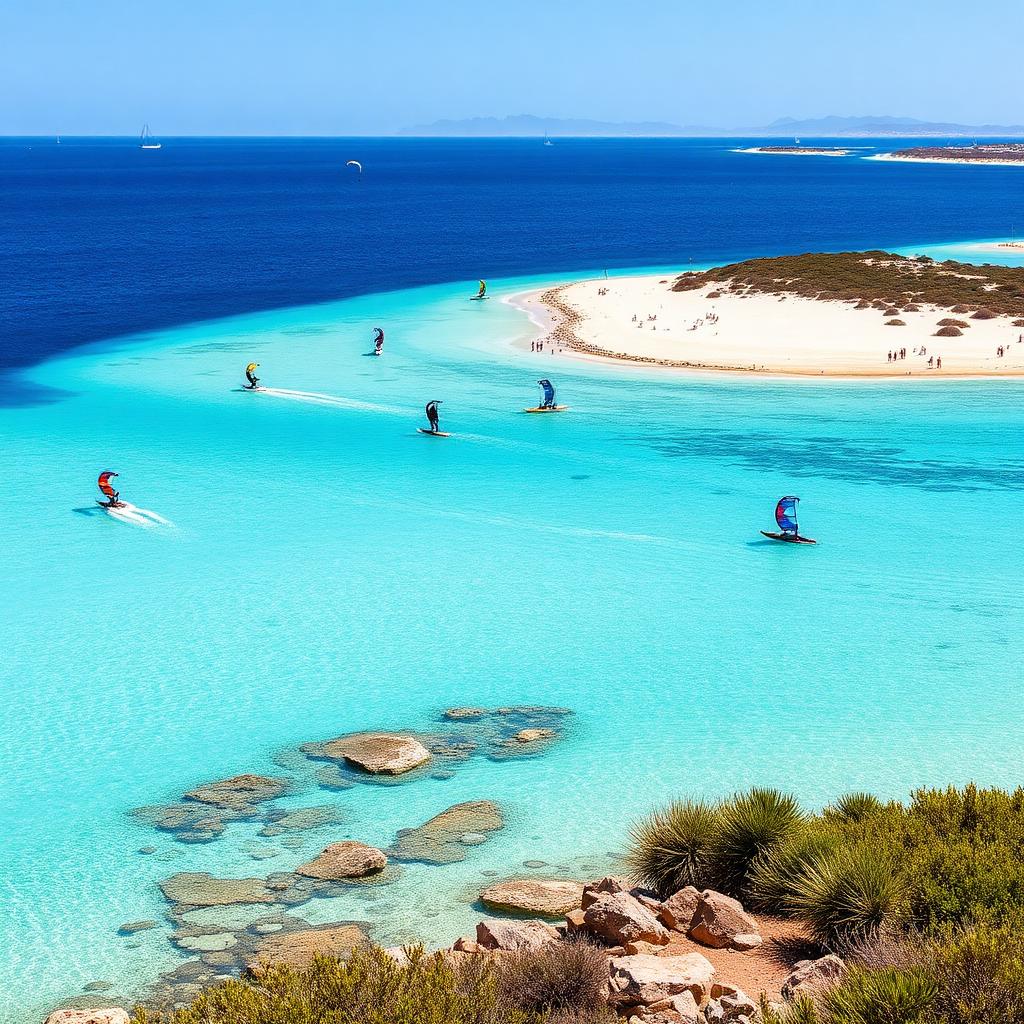
15 minutes west by car. A double bay with shallow turquoise water, one of Europe's top kite- and windsurfing spots — and popular with swimmers because the lagoon side is knee-deep.
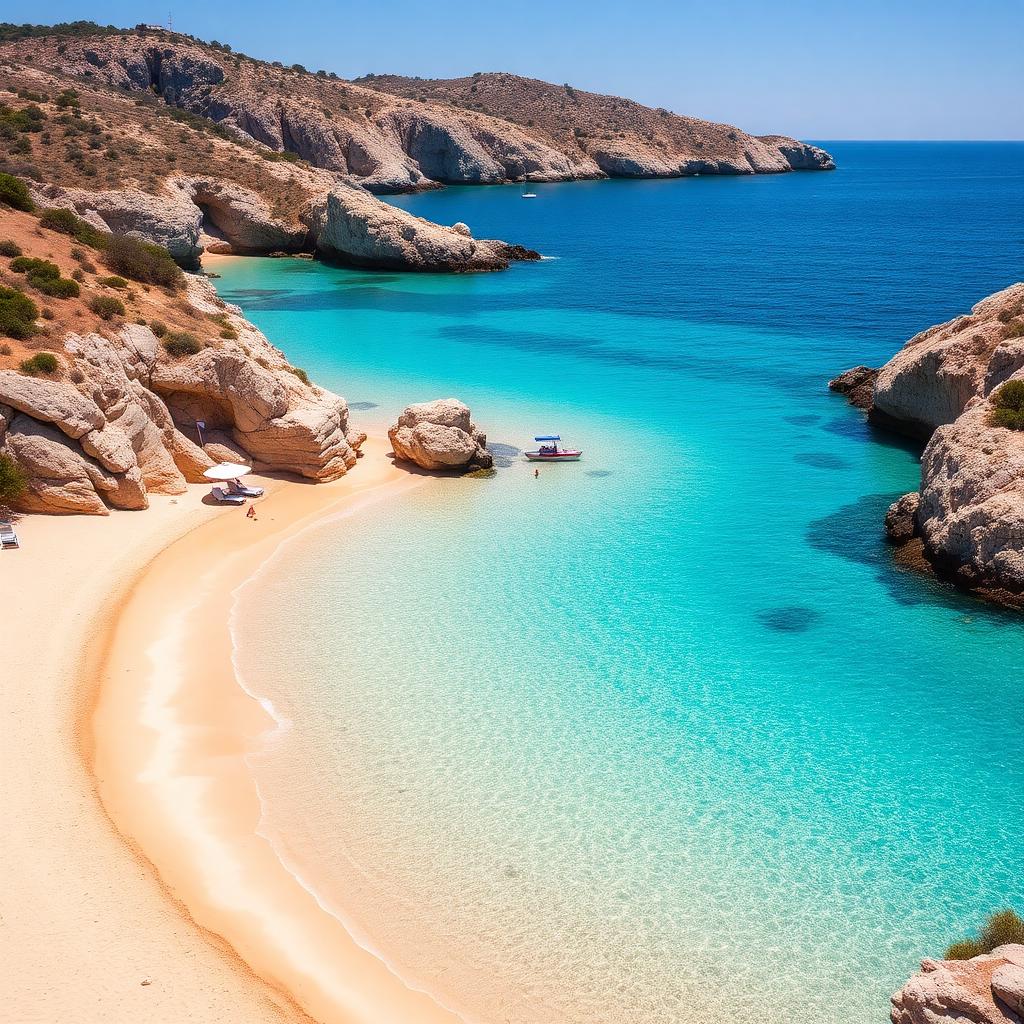
Palau's closest beach — about a 10-minute walk from the center. Fine sand, lifeguarded in summer, a beach bar, and views over the Maddalena strait. Free public access.
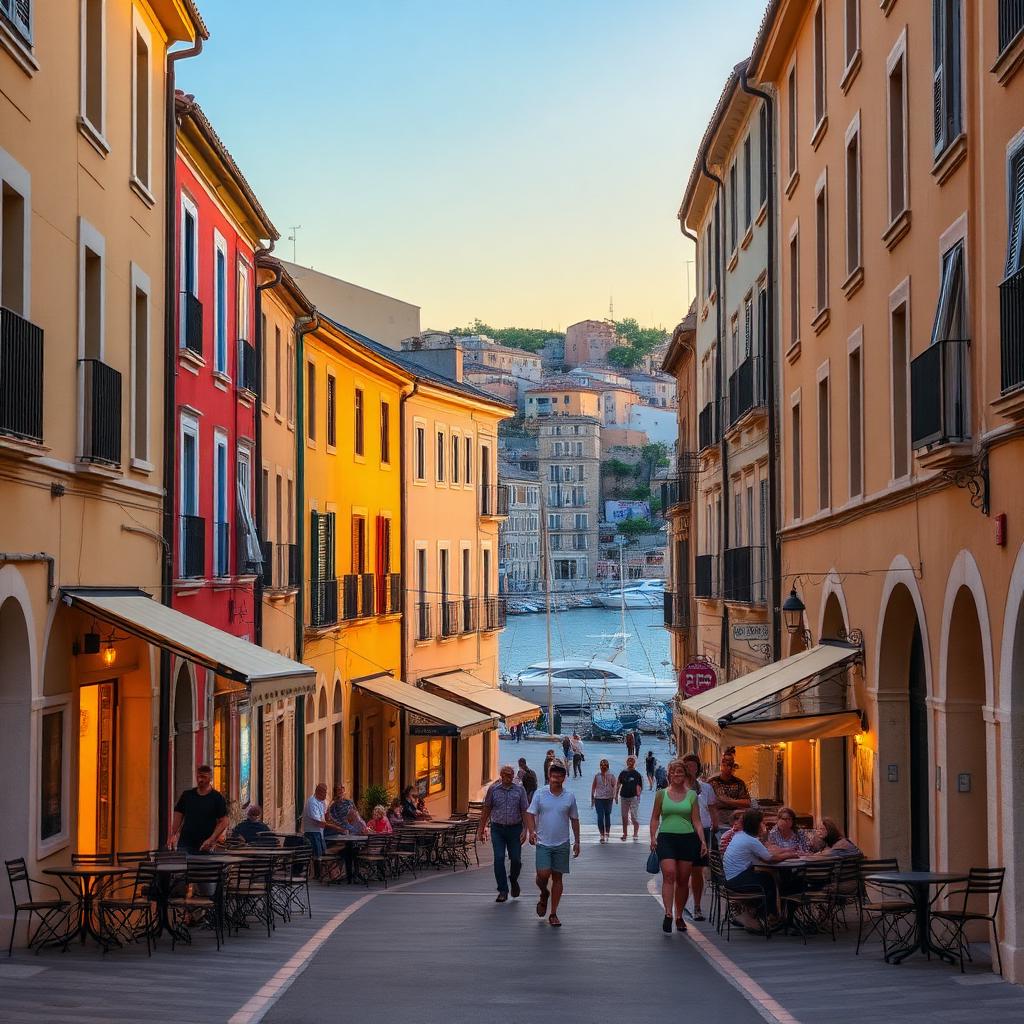
Pedestrian streets around Piazza Fresi, Via Nazionale gelaterias, and a big Sunday morning market with produce, cheese, mirto liqueur, and Sardinian textiles.
20 minutes by car. Porto Cervo yacht harbor for the glamour; San Pantaleo village on Thursday morning for the artisan market and mountain views.
Vento e Mare offers five self-catering apartments in the pedestrian old town — 10 minutes on foot to the Maddalena ferry, free private parking, air conditioning, and 24/7 self check-in with keybox. Perfect after a long transatlantic day: no front desk, no time-zone stress, drop your bags and walk to dinner.
Palau is a small port town on the northeast coast of Sardinia, in the province of Sassari — about 40 km / 25 mi north of Olbia airport (OLB) and the gateway to the La Maddalena archipelago. It sits at the eastern edge of the Costa Smeralda, on the Strait of Bonifacio facing Corsica.
Three to five days is the sweet spot. Two days for the Maddalena archipelago (one boat tour + one self-drive across the bridge to La Maddalena and Caprera), one day for beaches around Palau (Porto Pollo, Sciumara, Capo d'Orso), and one to two days for Costa Smeralda villages (Porto Cervo, San Pantaleo) or a day trip north to Santa Teresa Gallura and Corsica.
For value and authenticity, yes. Palau is a working town with restaurants, gelaterias and a real Sunday market — you pay a fraction of Porto Cervo prices for the same beaches and the same crystal water. Costa Smeralda is 20 minutes away by car, so you can visit on a day trip without paying to stay there.
Locals rank them: Porto Pollo (kite/wind, shallow lagoon), La Sciumara (10 min walk from the center, calm swimming), Cala Trana (short hike, transparent water), Punta Sardegna, and the beaches on La Maddalena island — Spalmatore, Bassa Trinita, Rosa. Cala Coticcio on Caprera is a bucket-list stop but requires a booking and a guide.
For beach-hopping, yes — public buses exist but are slow and infrequent. In town everything is walkable. Rent at Olbia airport (all major brands including Hertz, Avis, Enterprise, Sixt). If you're only doing the archipelago tour and staying in town, you can skip the car.
Very. Sardinia has one of the lowest crime rates in Italy — petty theft in tourist areas is uncommon compared to Rome or Naples. Standard precautions apply: don't leave valuables visible in a rental car parked at a beach.
Italian. Older locals also speak Gallurese (a Corsican-influenced dialect). English is widely understood in restaurants, hotels and tour operators — less so at the Sunday market or in small shops. A few Italian phrases go a long way.
As a modern town, quite recently — Palau was established in the late 1800s as a fishing and trade outpost linked to La Maddalena's naval base. That's why the old town is small and walkable, with 19th- and 20th-century architecture rather than medieval stone.